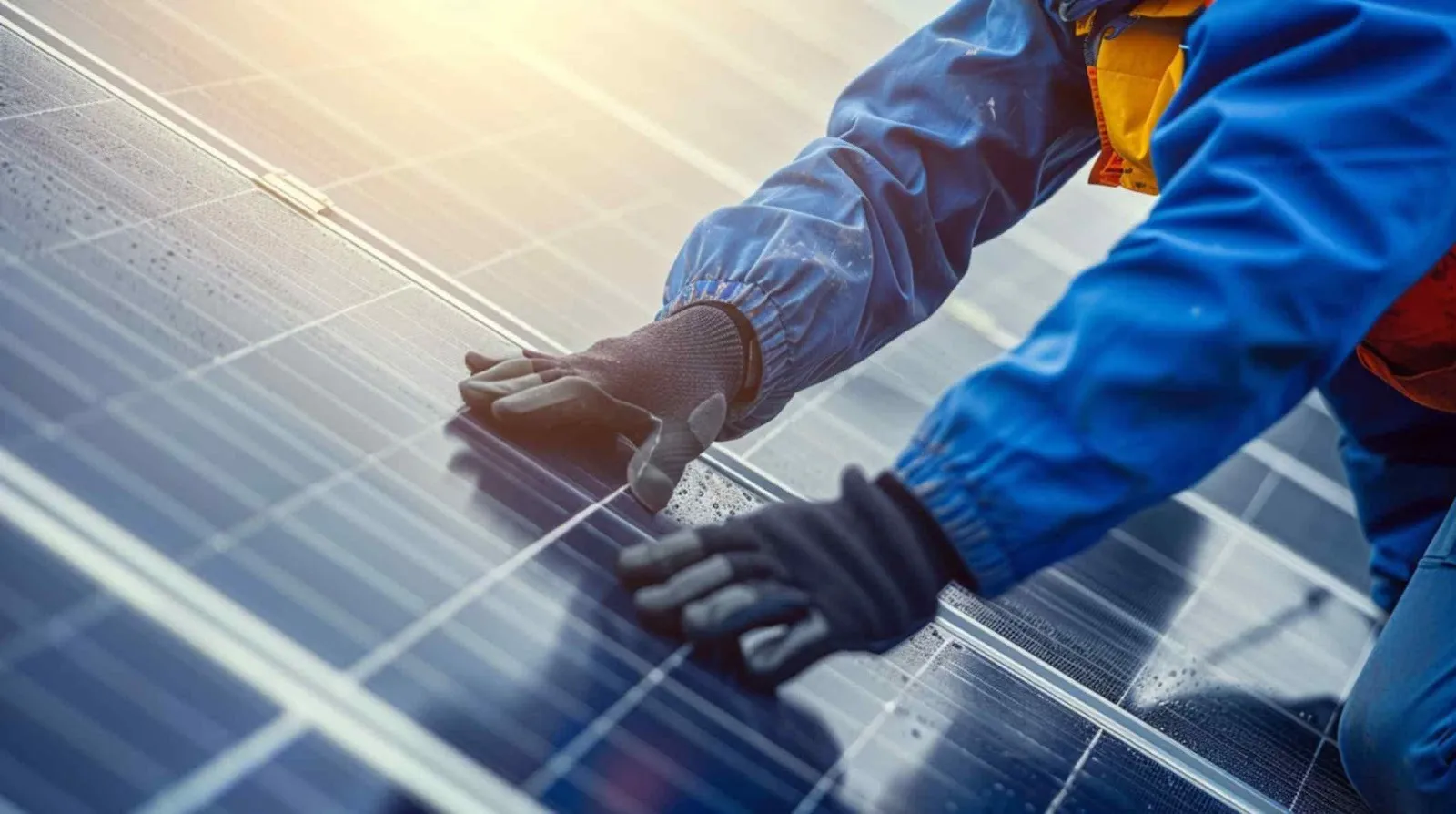
How Lengthy Do Photo voltaic Panels Final?: Investing in photo voltaic panels is among the smartest monetary selections an Australian family or enterprise could make however it’s fully pure to marvel simply how lengthy that funding will final. Are photo voltaic panels really constructed to go the space, or will you be changing them inside a decade? And what do you really must do to maintain them acting at their greatest over the lengthy haul?

For these exploring photo voltaic panels in Fort Hill and throughout the Hills District of Sydney, these are precisely the fitting inquiries to be asking. This a part of Better Sydney enjoys wonderful photo voltaic irradiance, making it ideally positioned to extract most worth from a well-maintained photo voltaic system. Understanding the anticipated lifespan of photo voltaic panels and the upkeep habits that defend that lifespan is essential to getting probably the most out of your funding.
This information covers all the things it is advisable know: how lengthy photo voltaic panels really final, what causes them to degrade over time, what upkeep is genuinely required, and the way to make sure your system remains to be performing strongly effectively into its third decade of operation.
The Brief Reply: How Lengthy Do Photo voltaic Panels Final?
High quality photo voltaic panels in Fort Hill are designed and warranted to function for no less than 25 years, and the very best proof suggests many methods will proceed producing helpful electrical energy effectively past that. The truth is, research monitoring real-world photo voltaic panel efficiency over a long time have discovered that well-installed methods utilizing high quality parts typically preserve robust output for 30 to 40 years with solely modest degradation.
For householders contemplating photo voltaic panels in Fort Hill, it’s necessary to grasp that not all photo voltaic panels are created equal. Finances panels from lesser-known producers could start to underperform considerably inside 10–15 years. Tier 1 panels—these from established producers with confirmed monitor data—persistently outperform their warranted output curves and infrequently final significantly longer, making them a wiser long-term funding for dependable photo voltaic power.
There are two distinct ideas price understanding with regards to photo voltaic panel longevity:
• Helpful lifespan: The interval throughout which panels generate sufficient electrical energy to justify their continued operation typically 25–35+ years for high quality panels
• Warranted lifespan: The interval throughout which the producer ensures minimal efficiency ranges sometimes 25 years for efficiency warranties and 10–12 years for product (manufacturing defect) warranties
The excellence issues: a panel would possibly nonetheless be producing energy at yr 30, but when it’s solely producing 70% of its authentic rated output, the financial case for holding it moderately than changing it with newer, extra environment friendly expertise turns into price contemplating.
Photo voltaic Panel Degradation: What Really Occurs Over Time?
Photo voltaic panels don’t merely cease working at some point they step by step produce barely much less electrical energy annually by a pure course of known as degradation. Understanding what drives degradation helps you make smarter selections when selecting panels and planning upkeep.
Forms of Degradation
There are three principal types of photo voltaic panel degradation:
1. Gentle-Induced Degradation (LID)
This happens within the first few hours or days of panel operation when panels are first uncovered to daylight. LID can cut back output by 1–3% initially and is a traditional, unavoidable course of. Premium panels utilizing monocrystalline PERC or TOPCon cell expertise expertise decrease LID than older polycrystalline designs.
2. Potential-Induced Degradation (PID)
PID is brought on by voltage leakage between the photo voltaic cells and the panel body, significantly in scorching and humid circumstances. Excessive-quality panels from respected producers are engineered to withstand PID. An excellent inverter with applicable grounding additionally helps forestall PID.
3. Age-Associated Degradation
Over time, the supplies inside a photo voltaic panel slowly break down on account of steady publicity to UV radiation, warmth biking, and the weather. Encapsulant yellowing, micro-cracking of cells, and junction field corrosion are the commonest age-related points. That is the first driver of the long-term efficiency decline measured in a panel’s annual degradation price.
What the Numbers Say: The common annual degradation price for contemporary Tier 1 monocrystalline panels is roughly 0.3–0.5% per yr. This implies a panel rated at 400W at this time would nonetheless be producing round 390–394W after 10 years and round 360–380W after 25 years comfortably inside its 80% efficiency guarantee threshold.
Efficiency Over Time: A Lifelike View
| Yr | Estimated Output (400W Panel) | % of Unique Output |
| Yr 1 | 396–398W | 99–99.5% |
| Yr 5 | 388–394W | 97–98.5% |
| Yr 10 | 380–386W | 95–96.5% |
| Yr 15 | 371–377W | 92.7–94.3% |
| Yr 20 | 363–369W | 90.7–92.3% |
| Yr 25 | 354–361W | 88.5–90.3% |
Elements That Have an effect on Photo voltaic Panel Lifespan
Whereas degradation is inevitable, a number of elements considerably affect how shortly it happens and the way lengthy your system delivers robust efficiency. For residents and companies contemplating photo voltaic panels in Fort Hill, native environmental circumstances play an necessary position.
Set up High quality
Nothing has a larger impression on photo voltaic panel longevity than the standard of the unique set up. Poor mounting that enables panels to flex in wind, insufficient waterproofing round penetrations, incorrect electrical connections, and inadequate air flow beneath panels all speed up degradation and bodily injury. At all times use a Clear Power Council (CEC) accredited installer.
Panel High quality and Tier Ranking
Tier 1 panels manufactured by established corporations with robust high quality management processes, revealed degradation information, and substantial monetary backing persistently outlast finances alternate options. Within the Fort Hill market, respected manufacturers corresponding to REC, Longi, Jinko, Q Cells, Canadian Photo voltaic, and SunPower are generally put in by quality-focused installers.
Native Local weather and Atmosphere
Fort Hill experiences a heat temperate local weather with scorching summers and delicate winters. Sustained excessive temperatures speed up thermal degradation, which is why panel air flow (guaranteeing sufficient airflow beneath mounted panels) is especially necessary in western Sydney’s summer time warmth. The Hills District additionally experiences occasional extreme storms and hail occasions, making panel impression resistance an necessary choice criterion.
Soiling and Shading
Accrued mud, chicken droppings, pollen, and leaf matter cut back panel output by blocking daylight and, over time, could cause localised cell injury by a phenomenon known as scorching spots. Panels which might be recurrently dirty and left uncleaned will degrade sooner than well-maintained equivalents. Fort Hill’s comparatively city atmosphere with native parks, bushes, and wildlife means soiling is an actual consideration.
Inverter Efficiency
Whereas not a part of the panel itself, the inverter is the guts of your photo voltaic system and has a considerably shorter lifespan sometimes 10–15 years for string inverters. A failing inverter can masks declining panel efficiency, main householders to suppose their panels are degrading when the true difficulty is the inverter. Finances for inverter substitute at across the 10–12 yr mark.
Photo voltaic Panel Upkeep: What You Really Must Do
Considered one of photo voltaic power’s nice benefits is how little routine upkeep it requires. Photo voltaic panels don’t have any transferring components, don’t require common servicing like a fuel equipment, and are particularly designed to function in outside circumstances for many years. That mentioned, ‘low upkeep’ will not be the identical as ‘no upkeep’ — and some easy habits can meaningfully prolong your system’s productive life.
1. Common Visible Inspections
Each few months, check out your panels from floor degree or from a protected vantage level. Search for:
• Seen filth accumulation, chicken droppings, or leaf litter sitting on panels
• Any panels that seem discoloured, cracked, or bodily broken
• Particles which will have lodged beneath panel edges or round mounting frames
• Any indicators of water pooling or staining across the inverter enclosure
You don’t must climb onto the roof for routine visible checks the truth is, doing so with out correct security gear is harmful and inadvisable. Most panel circumstances will be assessed from the bottom with a transparent line of sight.
2. Panel Cleansing
In most components of Australia together with Fort Hill rainfall does an inexpensive job of holding panels clear for a lot of the yr. Nonetheless, throughout prolonged dry durations (widespread in Sydney’s summer time and autumn), mud, pollen, and chicken exercise can construct up sufficiently to scale back output by 5–15% or extra.
Panel cleansing pointers:
• Frequency: A few times a yr is adequate for many Fort Hill properties; extra often when you’re close to a busy highway, development web site, or in an space with heavy chicken exercise
• Technique: Use smooth water (keep away from laborious faucet water if attainable), a smooth brush or squeegee, and delicate cleaning soap if wanted. By no means use abrasive supplies or high-pressure washers straight on panel surfaces
• Timing: Clear panels within the early morning or late afternoon after they’re cool cleansing scorching panels with chilly water could cause thermal shock and micro-cracking
• Skilled cleansing: For multi-storey properties or industrial installations, at all times use knowledgeable cleansing service with applicable security gear
Security Reminder: By no means try to wash photo voltaic panels from a ladder or rooftop with out correct security coaching and gear. Falls from heights are a number one trigger of significant damage in Australia. For second-storey or larger installations, rent knowledgeable.
3. Monitor System Efficiency
Most trendy inverters together with widespread manufacturers put in throughout Fort Hill like Fronius, SMA, SolarEdge, and Huawei include companion apps or on-line portals that present real-time and historic era information. Growing a behavior of checking your system’s month-to-month output towards anticipated benchmarks is among the strongest upkeep instruments out there to you.
In case your system generates considerably lower than anticipated for the season and climate circumstances with out an apparent rationalization like prolonged cloudy durations it’s a sign that one thing warrants investigation. Frequent causes embrace a failing inverter, a shaded or defective panel, a tripped circuit breaker, or a wiring difficulty.
Fort Hill Benchmark: A well-sized north-facing system in Fort Hill ought to generate roughly 4.0–4.5 kWh per kW of put in capability per day, averaged throughout the yr. A 6.6kW system ought to subsequently produce roughly 26–30 kWh on a typical sunny day in peak summer time.
4. Skilled System Inspections
Past your personal monitoring and visible checks, scheduling knowledgeable inspection each two to 3 years is strongly beneficial. A certified photo voltaic technician can:
• Take a look at panel output utilizing specialised I-V curve tracing gear to establish underperforming panels
• Examine and tighten all electrical connections (which may loosen over time by thermal enlargement and contraction)
• Verify inverter diagnostics and firmware for any faults or beneficial updates
• Examine mounting {hardware} for indicators of corrosion or loosening
• Take a look at isolator switches and security gadgets to make sure they perform appropriately
For Fort Hill householders with methods older than 10 years, an annual inspection is extra applicable significantly as inverters method the tip of their typical service life and the danger of part failures will increase.
5. Vegetation and Shading Administration
Bushes and vegetation develop over time, and shade that wasn’t current when your system was put in could change into a major difficulty 5 or ten years later. Periodically reviewing whether or not any close by bushes have grown to the purpose of shading your panels significantly within the morning or afternoon is worth it. In some circumstances, strategic trimming or removing of overhanging branches can restore significant output.
When Ought to You Change Photo voltaic Panels?
The query of when to interchange ageing photo voltaic panels is extra nuanced than it’d first seem. The secret’s not merely age however whether or not the panels are nonetheless producing sufficient energy to justify holding them, and whether or not newer expertise would ship a meaningfully higher return.
| Situation | Beneficial Motion |
| Panels inside 25-yr guarantee, minor degradation | Proceed working — monitor yearly |
| Panels previous guarantee age, output 75–85% of authentic | Assess economics of substitute vs. continuation |
| Panels previous guarantee, output beneath 75% of authentic | Substitute probably worthwhile — seek the advice of installer |
| Bodily injury (cracking, discolouration, scorching spots) | Change affected panels promptly — security threat |
| Inverter failure on older system | Assess whether or not to interchange inverter alone or full system |
Fashionable photo voltaic panels significantly high-efficiency monocrystalline fashions now out there within the Fort Hill market are considerably extra environment friendly than panels from even 10 years in the past. In some circumstances, changing a 10-year-old system with a contemporary one, significantly if mixed with battery storage, can ship a greater long-term monetary end result than merely sustaining the unique system.
The Backside Line
High quality photo voltaic panels are genuinely constructed to final. With a sensible lifespan of 25–35 years and annual degradation charges effectively beneath 1% for contemporary Tier 1 merchandise, your photo voltaic funding can be working laborious for you lengthy after the system has paid for itself. Within the Fort Hill local weather, with its robust solar hours and reasonable climate, a well-installed and correctly maintained system is among the most sturdy and rewarding residence or enterprise investments out there.
The upkeep necessities are genuinely modest periodic cleansing, common efficiency monitoring, and knowledgeable inspection each few years. Get these habits proper, select high quality parts from a good installer, and photo voltaic panels in Fort Hill will reward you with a long time of fresh, reasonably priced electrical energy and powerful safety towards rising power costs.
Continuously Requested Questions (FAQs)
Q1. How lengthy do photo voltaic panels actually final in Australian circumstances?
High quality Tier 1 photo voltaic panels are warranted for no less than 25 years and routinely function effectively past that with many methods in Australia displaying robust efficiency at 30+ years. Australian circumstances, significantly the UV publicity and summer time warmth in areas like Fort Hill in western Sydney, do speed up sure degradation mechanisms, which is why panel high quality, set up customary, and air flow all matter. The most effective-performing panels in Australia are these utilizing trendy monocrystalline PERC or TOPCon cell expertise with a good producer’s efficiency guarantee.
Q2. How a lot do photo voltaic panels degrade annually?
Fashionable Tier 1 panels sometimes degrade at a price of 0.3–0.5% per yr after an preliminary light-induced degradation of 1–3% within the first days of operation. At 0.5% annual degradation, a panel rated at 400W would nonetheless be producing roughly 350W on the 25-year mark effectively throughout the typical 80% efficiency guarantee threshold. Finances panels with larger degradation charges of 0.8–1% per yr will fall beneath this threshold a lot sooner.
Q3. How typically ought to I clear my photo voltaic panels in Fort Hill?
For many Fort Hill properties, cleansing panels a couple of times a yr is adequate. Sydney’s rainfall helps maintain panels moderately clear by the wetter months, however prolonged dry durations in summer time and autumn can enable vital mud, pollen, and chicken droppings to build up. Properties close to development websites, busy roads, or with vital chicken exercise could profit from extra frequent cleansing. At all times clear panels within the early morning or night after they’re cool, and use softened water with a smooth brush or squeegee.
This autumn. Do I would like knowledgeable to take care of my photo voltaic panels?
For routine duties like visible inspections and primary cleansing, householders can handle these themselves safely from the bottom or with applicable gear for single-storey properties. Nonetheless, for something involving the roof, electrical parts, or inverter diagnostics, a professional photo voltaic technician must be engaged. Knowledgeable system inspection each two to 3 years extra often for older methods is strongly beneficial for all grid-connected photo voltaic installations in Fort Hill.
Q5. What’s one of the simplest ways to observe my photo voltaic system’s efficiency?
Most trendy inverters include a smartphone app or net portal that shows real-time and historic era information. Manufacturers generally put in in Fort Hill, corresponding to SolarEdge, Fronius, SMA, and Huawei, all provide monitoring platforms. Set a month-to-month reminder to examine your system’s output towards seasonal expectations. If output drops noticeably with out an apparent trigger (prolonged cloudy climate, for instance), contact your installer or a professional photo voltaic technician for a diagnostic examine.
Q6. Will hail injury my photo voltaic panels in Fort Hill?
High quality photo voltaic panels are examined and authorized to resist hail impacts of as much as 25mm at impression speeds typical of Australian climate occasions. The Hills District can expertise extreme summer time storms with hail, so panel impression resistance is price contemplating when choosing your system. Most Tier 1 panel producers present panels rated to IEC 61215 requirements, which incorporates hail resistance testing. Harm from excessive hail occasions considerably bigger than 25mm is often lined by customary residence and contents insurance coverage insurance policies.
Q7. How do I do know if a photo voltaic panel wants changing?
Indicators {that a} panel may have substitute embrace: seen bodily injury corresponding to cracking, delamination, or extreme discolouration; a major and unexplained drop in that panel’s output detected by monitoring; scorching spots recognized throughout knowledgeable thermal imaging inspection; or output that has fallen beneath 80% of the unique rated capability. Not all underperforming panels want substitute typically cleansing or addressing a shading difficulty resolves the issue. A certified photo voltaic technician can assess whether or not particular person panel substitute or a system-wide improve is the higher resolution.
Q8. Does the Fort Hill local weather have an effect on how lengthy photo voltaic panels final?
Fort Hill’s heat temperate local weather with scorching, sunny summers and delicate winters is usually beneficial for photo voltaic era however does current some particular issues for panel longevity. Sustained excessive temperatures speed up thermal degradation, making sufficient air flow beneath panels necessary. The mixture of summer time warmth and UV publicity signifies that panel high quality, encapsulant integrity, and back-sheet sturdiness are significantly related choice standards for Hills District installations. An excellent installer will issue native local weather circumstances into their panel and mounting system suggestions.
Q9. When ought to I change my photo voltaic inverter?
String inverters the commonest sort utilized in Australian residential installations sometimes have a service lifetime of 10–15 years. In contrast to photo voltaic panels, inverter substitute is predicted and must be budgeted for from the outset. When your inverter fails or begins to underperform, you may have the choice of changing it with a like-for-like mannequin, upgrading to a extra superior mannequin (doubtlessly with battery storage compatibility), or, in case your panels are additionally ageing, assessing whether or not a full system improve makes extra monetary sense. A certified photo voltaic technician can information you thru this choice.
Q10. Are photo voltaic panels in Fort Hill well worth the long-term funding?
Completely. Fort Hill and The Hills District obtain wonderful annual photo voltaic irradiance, and with electrical energy costs in NSW persevering with to rise, the monetary case for photo voltaic is compelling. A high quality 6.6kW system put in in Fort Hill at this time will sometimes pay again its price inside 3–6 years and proceed producing financial savings for an extra 20+ years past that. Once you issue within the hedge towards future power value will increase and the choice so as to add battery storage in future years, photo voltaic panels in Fort Hill signify one of many strongest long-term investments out there to property house owners.