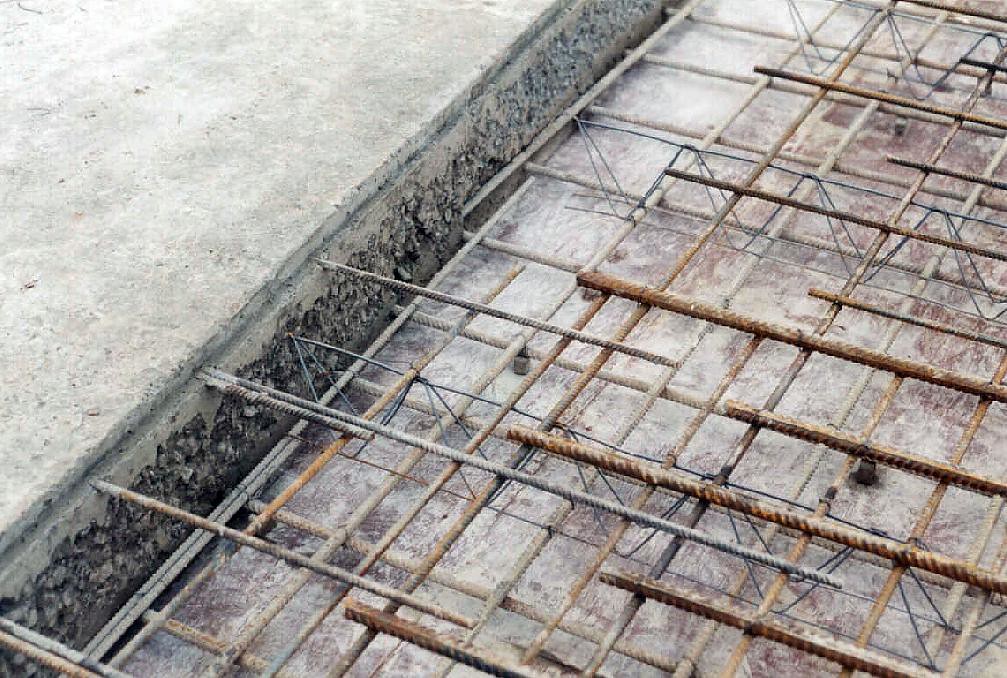
Substituting Portland cement Type V with a combination of PCC (Portland Composite Cement) and silica fume in port construction is a viable option in certain circumstances. However, it’s essential to follow industry standards and guidelines to ensure the structural integrity and durability of the construction.
Here’s some information about this substitution and the relevant standards:
Portland Cement Type V: Type V Portland cement is known for its high sulfate resistance. It is typically used in environments where the concrete is exposed to severe sulfate attack, such as in marine structures like ports, seawalls, and other coastal construction.
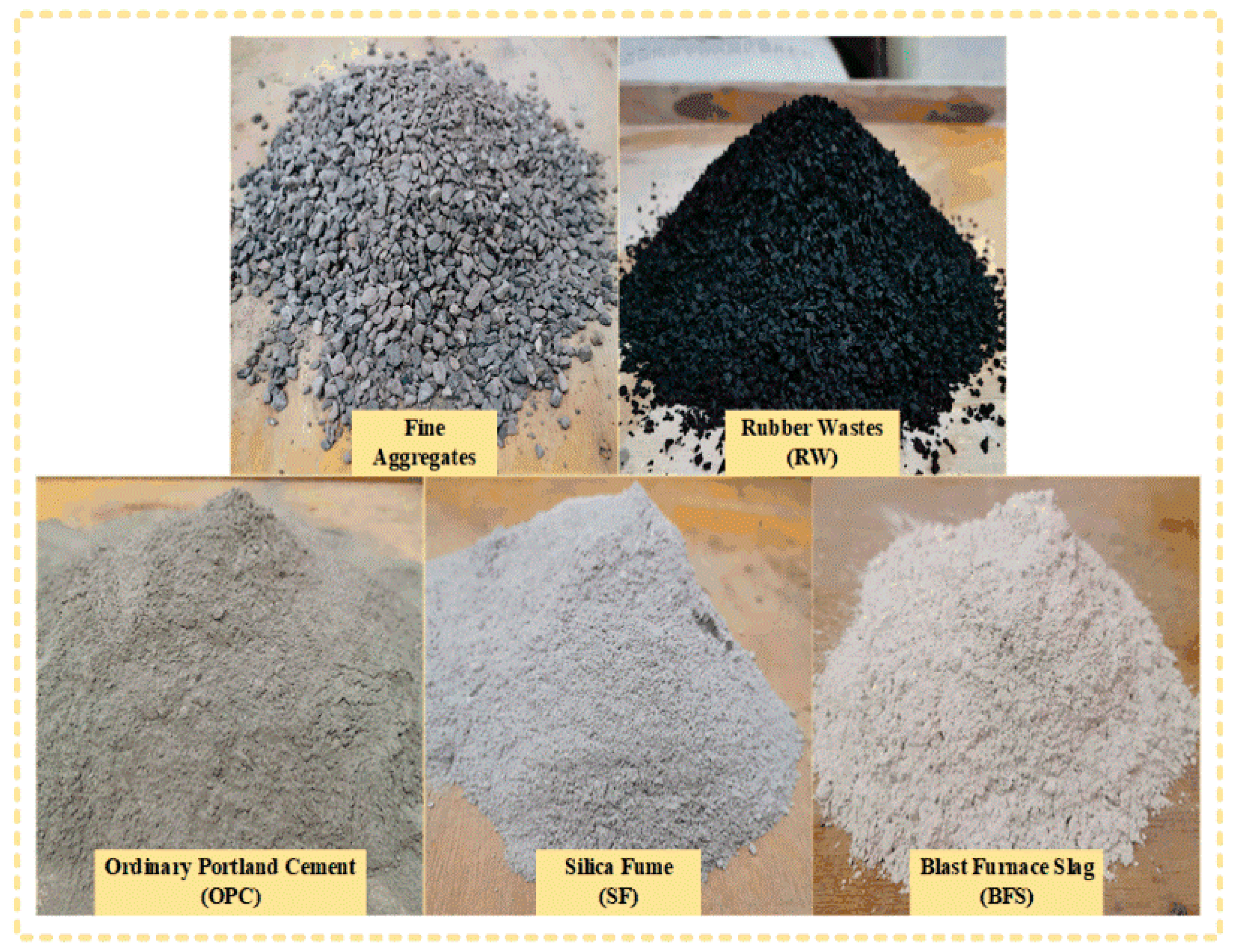
Portland Composite Cement (PCC): PCC is a blend of Portland cement and supplementary cementitious materials (SCMs) such as fly ash, slag, or silica fume. PCC is designed to improve the workability, durability, and sustainability of concrete.
Silica Fume: Silica fume, also known as microsilica, is a highly reactive pozzolan often used as an SCM in concrete. It enhances the properties of concrete, such as compressive strength, durability, and resistance to chemical attack.
When considering substituting Type V Portland cement with PCC and silica fume in port construction, several factors need to be assessed:
Sulfate Exposure: It’s important to evaluate the level of sulfate exposure in the specific marine environment where the concrete will be used. The extent of sulfate attack will influence the choice of cementitious materials.
Design Requirements: Ensure that the concrete mix design, which includes PCC and silica fume, meets the structural and durability requirements of the port construction project.
Standards and Guidelines: The American Concrete Institute (ACI) and ASTM International provide standards and guidelines for concrete mix design and material substitutions. You should refer to relevant ACI and ASTM standards for guidance on using PCC and silica fume in marine structures.
Testing and Evaluation: It’s advisable to conduct testing and evaluations, including strength tests, permeability tests, and durability tests, to ensure that the substituted materials meet the project’s specific needs.
Local Regulations: Consider any local or regional regulations and codes that may apply to marine construction projects.
It’s crucial to work with a qualified structural engineer or concrete specialist who can evaluate the suitability of the substitution for your specific project. Additionally, consulting with the project’s structural design engineer and specifying a concrete mix that meets the project’s unique requirements is essential. Always prioritize safety, durability, and compliance with industry standards when making such substitutions in port construction.