[ad_1]
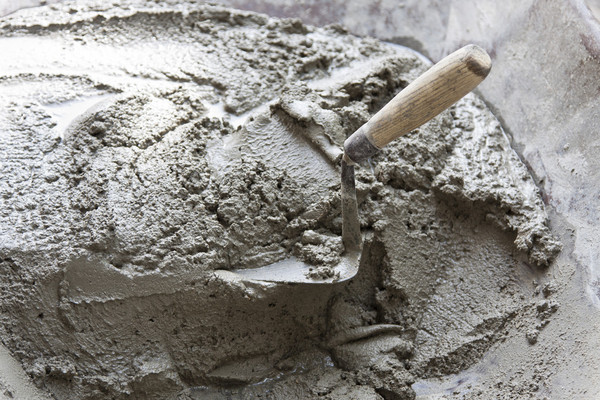
Portland slag cement (PSC), a blended cement that combines the strength and durability of Portland cement with the pozzolanic properties of granulated blast furnace slag, is a versatile construction material. While PSC is often used for various construction applications, its suitability for wall plastering depends on several factors.
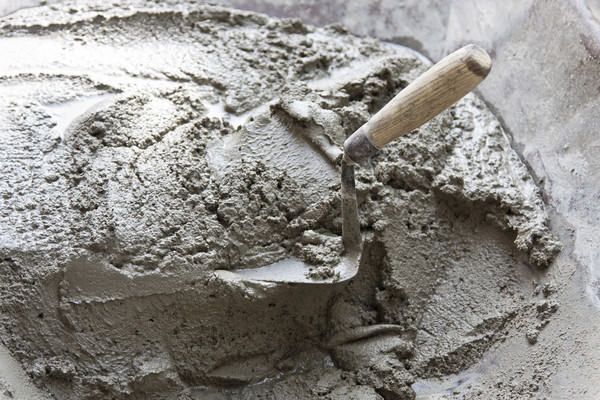
Is Portland Slag Cement Used for Wall Plastering?
1. Plastering Mix Composition: The choice of cement for wall plastering depends on the mix composition. Generally, PSC can be used for plastering, but it’s often mixed with other materials such as sand and water to create a plaster mix. The mix ratio and additives may vary based on the specific requirements of the project.
2. Advantages of PSC for Wall Plastering:
Durability: PSC is known for its durability, which is essential for plastering applications, especially in exterior walls that are exposed to various weather conditions.
Reduced Heat of Hydration: The use of slag in PSC results in a reduced heat of hydration, which can be beneficial for plastering applications where cracking due to heat is a concern.
Improved Workability: PSC can enhance the workability of plaster mixes, making it easier for masons to apply the plaster evenly.
Reduced Risk of Alkali-Aggregate Reaction (AAR): PSC is less prone to AAR, which can be a concern in plastering applications.
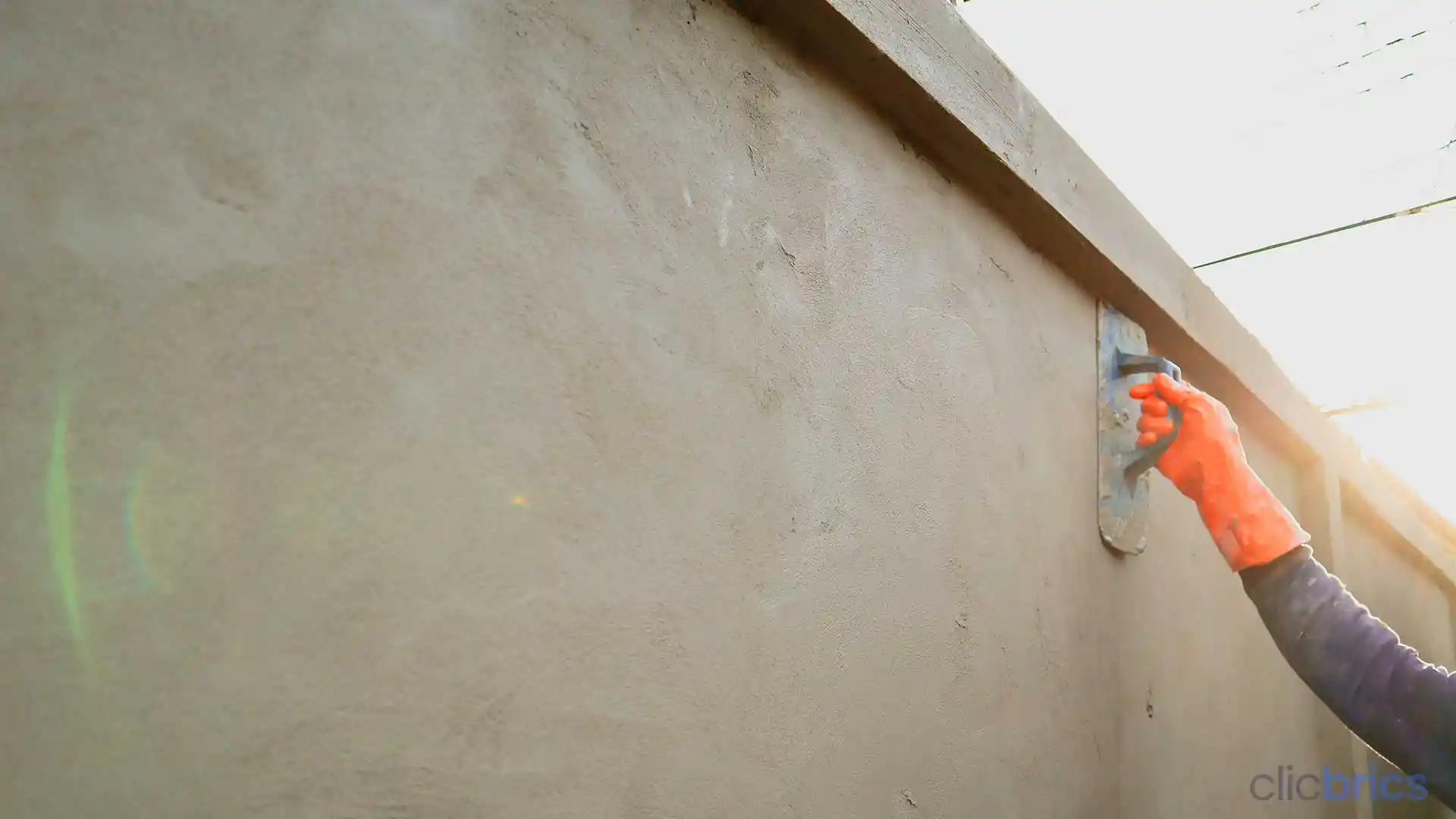
3. Mix Design: The key to successful plastering with PSC is the right mix design. The proportions of PSC, sand, and water should be carefully calculated to achieve the desired consistency, workability, and adhesion properties.
4. Application: Proper application techniques are critical. Plastering should be done by skilled workers who are experienced in achieving a smooth and even finish.
5. Curing: Curing is essential to ensure that the plaster dries slowly, preventing cracks and ensuring a strong bond with the substrate.
6. Compatibility: Consider the compatibility of PSC with other materials used in the construction. The substrate and finish material should be compatible to avoid issues like delamination.
7. Local Building Codes: Always adhere to local building codes and regulations, which may specify the types of cement and plastering materials that can be used in construction.
In summary, Portland slag cement can be used for wall plastering, but its successful application depends on factors such as mix design, application techniques, curing, and adherence to local building codes. It offers several advantages in terms of durability, reduced heat of hydration, and improved workability. When planning a plastering project with PSC, consult with construction professionals or engineers experienced in using this material to ensure a high-quality finish and long-lasting plaster.
[ad_2]
Source link