
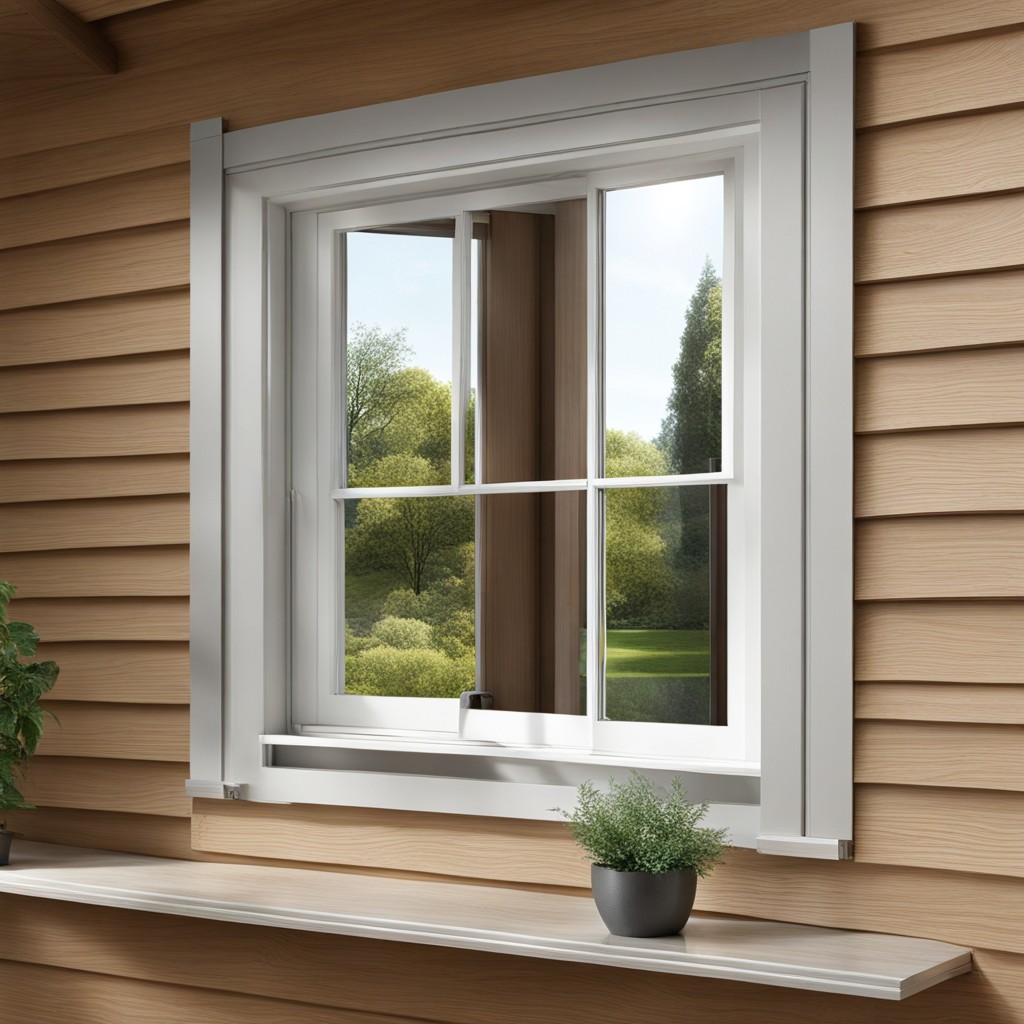
Addressing the issue of a vertical window that was mistakenly installed horizontally can be rectified, but it typically involves some significant modifications.

Here are the steps to address this issue:
Assess the Situation: Start by thoroughly assessing the situation. Determine the extent of the error, the type of window involved, and any potential complications. It’s essential to have a clear understanding of the problem before proceeding.
Consult a Professional: This is a task best handled by a professional, such as a licensed contractor or a window specialist. Their expertise will ensure that the correction is done correctly and safely.
Remove the Window: The incorrect window will need to be removed. This process can be delicate to avoid damaging the window or the surrounding wall.
Prepare the Opening: The opening in the wall will need to be modified to accommodate the correct orientation. This may involve removing any additional framing or headers that were added to install the window horizontally.
Reframing: If the window frame was significantly altered during the initial horizontal installation, you may need to reframe the opening to create a vertical orientation. This will involve installing new framing studs and headers as necessary to support the window.
Modify the Sill and Header: If the original sill and header were installed horizontally, they may need to be replaced or modified to create the proper support for a vertically oriented window.
Install the Correct Window: With the opening properly prepared, install the window in the correct vertical orientation. Ensure that it is level and plumb, and that it fits securely in the newly modified opening.
Seal and Insulate: Properly seal and insulate around the window to prevent air leaks and ensure energy efficiency. This may include using caulking or expanding foam insulation.
Exterior Finish: Depending on the type of exterior finish (e.g., siding, stucco, or brick), you may need to repair or replace the finish around the window to maintain the aesthetic and weather resistance of the wall.
Interior Finish: On the interior, you’ll likely need to make adjustments to the trim, drywall, or other finishes to accommodate the newly installed vertical window.
Testing and Inspection: Once the window is correctly installed, test it to ensure it opens, closes, and locks properly. Consider having the work inspected to ensure it complies with local building codes and standards.
Cosmetic Touch-Ups: Finally, any cosmetic touch-ups, such as repainting or retrimming, can be done to restore the appearance of the window and surrounding area.
Remember, this is a complex and potentially costly project, so consulting with a professional is strongly recommended. Additionally, check local building codes and regulations to ensure that the corrected installation complies with all requirements.

