No, it is not recommended to use grout instead of caulk around where the tile meets a tub. Grout is a cement-based material that is designed to fill the spaces between tiles. It is not as flexible as caulk and will not be able to withstand the movement of the tub, which can lead to cracking and grout failure.
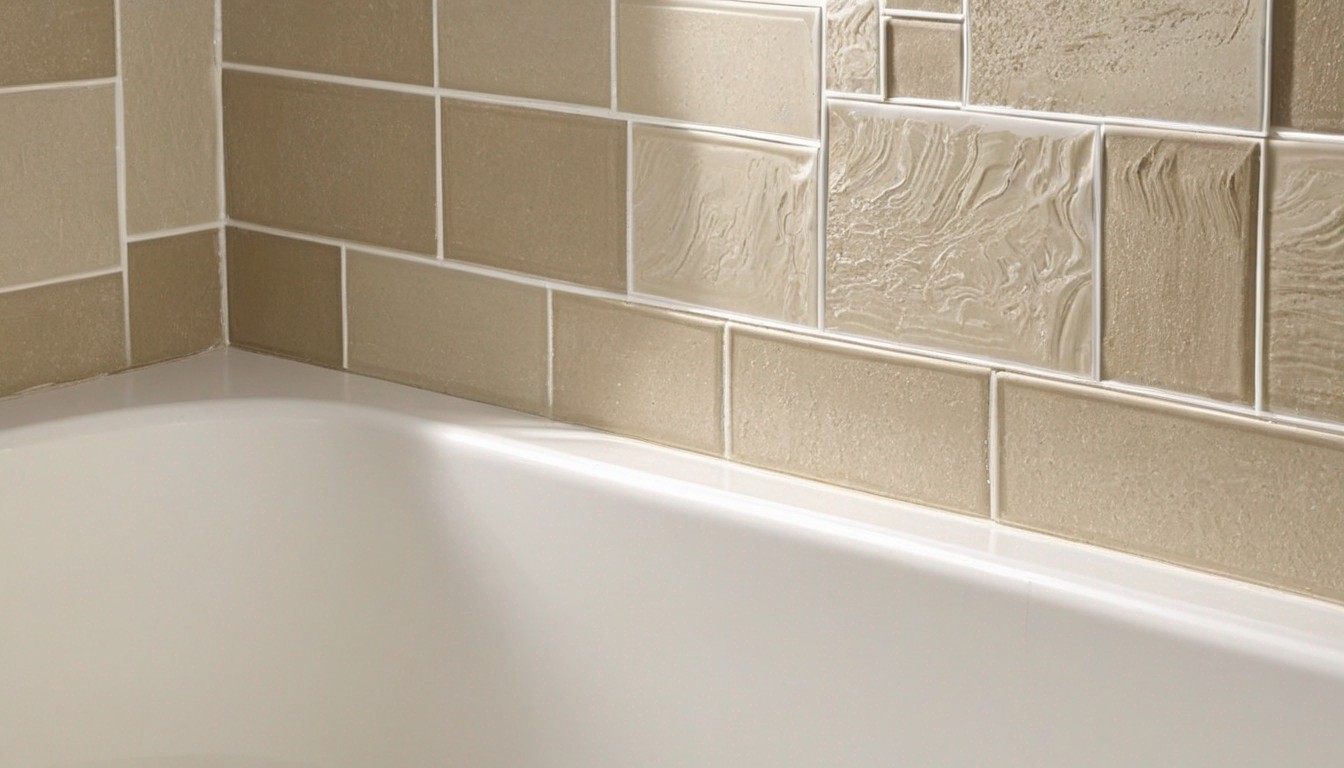
Caulk is a flexible sealant that is designed to seal the gap between the tub and the tiles. It will be able to withstand the movement of the tub and will not crack or fail.

Here are some of the reasons why you should not use grout instead of caulk around where the tile meets a tub:
- Grout is not as flexible as caulk. This means that it will not be able to withstand the movement of the tub, which can lead to cracking and grout failure.
- Grout is not as waterproof as caulk. This means that it will not be able to protect the area from water damage.
- Grout is more difficult to clean than caulk. This is because grout is porous and can absorb dirt and grime.
If you are looking for a sealant that will protect the area from water damage and will be able to withstand the movement of the tub, then you should use caulk.
Here are some tips for choosing the right caulk for the job:
- Choose a caulk that is specifically designed for use in bathrooms. This type of caulk is mildew-resistant and will not be affected by water.
- Choose a caulk that is the right color for your tiles. This will help to make the sealant blend in with the surrounding area.
- Apply the caulk in a smooth, even bead. This will help to ensure that the sealant is effective and will not look messy.
By following these tips, you can choose the right caulk for the job and ensure that the area around your tub is properly sealed.