Introduction to Nanotechnology in Engineering

Nanotechnology in Engineering: Nanotechnology is a groundbreaking discipline that includes manipulating matter on an atomic and molecular stage. It has immense functions in varied sectors, together with engineering. Nanotechnology has launched new alternatives for power harvesting in buildings by the usage of nanomaterials. These supplies possess distinctive properties and traits that allow environment friendly power conversion. By incorporating nanomaterials into photovoltaic coatings, buildings can’t solely devour power but in addition generate it. This text will discover the significance of nanomaterials in power harvesting and delve into the developments made on this discipline.
Overview of nanotechnology and its functions in engineering

Nanotechnology, the science and manipulation of supplies on the atomic and molecular scale, has made vital developments in engineering. It includes working with particles which might be between 1 and 100 nanometers in dimension. This expertise has been utilized throughout varied fields, similar to electronics, supplies science, drugs, and power. In engineering, nanotechnology has paved the best way for breakthroughs in power harvesting, enabling the event of extra environment friendly and sustainable techniques. Nanomaterials, particularly designed on the nanoscale, play a vital function in enhancing power conversion and propelling developments in constructing applied sciences.
Significance of nanomaterials in power harvesting in buildings with photovoltaic coatings

Nanomaterials play a vital function in power harvesting in buildings with photovoltaic coatings. As a result of their distinctive properties on the nanoscale, these supplies improve the effectivity and effectiveness of photovoltaic coatings in changing daylight into electrical energy. Their capacity to soak up and manipulate mild, optimize cost switch, and enhance conductivity contributes to greater power conversion charges. By using nanomaterials, buildings can generate renewable power on-site, lowering reliance on exterior energy sources and fostering a extra sustainable future. These supplies pave the best way for elevated power independence and provide promising options for creating environmentally pleasant buildings.
Understanding Nanomaterials

Nanomaterials play a vital function within the discipline of power harvesting. These supplies are engineered on the nanoscale, which suggests they’ve distinctive properties and traits that make them extremely environment friendly in changing power. There are a number of kinds of nanomaterials utilized in power harvesting, together with quantum dots, nanoparticles, and nanowires. These supplies possess distinctive electrical and optical properties, permitting for environment friendly power conversion. Furthermore, their small dimension allows higher management over power switch and helps optimize the efficiency of photovoltaic coatings. Understanding the properties and traits of nanomaterials is vital to enhancing power harvesting in buildings.
Forms of nanomaterials utilized in power harvesting

Numerous kinds of nanomaterials are employed in power harvesting functions. One generally used nanomaterial is graphene, a single layer of carbon atoms organized in a hexagonal lattice. Graphene possesses wonderful electrical conductivity, making it excellent for capturing and changing photo voltaic power. One other broadly utilized nanomaterial is quantum dots, that are semiconductor nanoparticles that may take in mild throughout a variety of wavelengths, thereby enhancing the effectivity of photovoltaic coatings. Moreover, nanowires, nanotubes, and nanocomposites are additionally utilized to enhance power conversion and storage capabilities in power harvesting techniques. General, these nanomaterials play a vital function in maximizing power era from varied sources.
Properties and traits of nanomaterials for environment friendly power conversion

Nanomaterials possess distinctive properties and traits that make them extremely environment friendly for power conversion. Their small dimension and huge floor area-to-volume ratio permit for enhanced mild absorption and electron switch. Nanomaterials could be tailor-made to have particular bandgap energies, enabling them to soak up a variety of wavelengths of sunshine. Moreover, their excessive conductivity and low resistance facilitate environment friendly electron movement through the conversion course of. These properties make nanomaterials excellent to be used in power harvesting functions, notably in photovoltaic coatings, the place they maximize the conversion of daylight into electrical energy.
Power Harvesting in Buildings with Photovoltaic Coatings

Power harvesting in buildings with photovoltaic coatings is an rising expertise that leverages nanomaterials to transform daylight into electrical energy. These specialised coatings, utilized to numerous surfaces similar to rooftops, home windows, and facades, permit buildings to generate their very own energy and cut back dependence on exterior grids. By harnessing the ability of nanotechnology, these coatings provide benefits over conventional photo voltaic panels, similar to flexibility, lighter weight, and elevated transparency. This innovation in power harvesting has the potential to revolutionize the best way we energy our buildings and contribute to a extra sustainable future.
Clarification of power harvesting expertise in buildings utilizing photovoltaic coatings

Power harvesting expertise in buildings utilizing photovoltaic coatings includes the usage of specialised coatings utilized to numerous surfaces, similar to rooftops, home windows, and facades, to seize daylight and convert it into electrical energy. These coatings include photovoltaic cells made with nanomaterials which have the power to soak up daylight and generate an electrical present. The nanomaterials utilized in these coatings improve the effectivity of power conversion by bettering the absorption and utilization of daylight. This expertise permits buildings to harness photo voltaic power and generate energy on-site, lowering their dependence on exterior power sources.
Advantages and benefits of utilizing nanomaterials in photovoltaic coatings

The utilization of nanomaterials in photovoltaic coatings affords quite a few advantages and benefits. Firstly, nanomaterials have a considerably bigger floor space in comparison with typical supplies, which boosts mild absorption and improves power conversion effectivity. Moreover, nanomaterials allow the creation of light-weight and versatile coatings, permitting for straightforward integration into varied constructing surfaces. Moreover, their distinctive properties, similar to enhanced conductivity and stability, contribute to the longevity and efficiency of the coatings. Finally, the usage of nanomaterials in photovoltaic coatings results in elevated power era and decreased reliance on exterior grids.
Nanotechnology’s Position in Enhancing Power Conversion

Nanotechnology performs a vital function in enhancing power conversion, notably within the discipline of power harvesting. By using nanomaterials, researchers are capable of manipulate the properties and traits of supplies to realize improved power conversion efficiencies. Nanoscale buildings can improve the floor space accessible for power absorption and facilitate quicker cost separation and transport. Moreover, nanomaterials can improve mild absorption and reflection to optimize power conversion in photovoltaic techniques. By way of modern approaches and strategies, nanotechnology continues to advance and contribute to extra environment friendly power harvesting processes.
Enhancements in power conversion effectivity by the usage of nanomaterials

Nanomaterials have revolutionized the sector of power harvesting by considerably enhancing power conversion effectivity. The distinctive properties of nanomaterials, similar to their excessive floor area-to-volume ratio and quantum results, permit for extra environment friendly seize and conversion of photo voltaic power. These supplies can improve mild absorption and cost transport in photovoltaic units, leading to greater energy era. By way of exact engineering and manipulation on the nanoscale, researchers can optimize the efficiency of photo voltaic cells, maximizing power conversion effectivity and making them less expensive for widespread use. Nanotechnology is actually propelling the way forward for power harvesting in buildings.
Modern approaches and strategies in nanotechnology for improved power harvesting
Researchers and engineers are consistently growing modern approaches and strategies in nanotechnology to enhance power harvesting. One such strategy includes the usage of quantum dots, that are nanoscale particles that may take in a variety of sunshine wavelengths, resulting in enhanced power conversion. One other approach focuses on incorporating nanowires into photovoltaic coatings, enabling a extra environment friendly switch of electrons. Moreover, scientists are exploring the usage of plasmonic nanoparticles to govern mild and improve absorption in photo voltaic cells. These cutting-edge developments present nice promise for bettering power harvesting by nanotechnology.
Nanomaterials for Photovoltaic Coatings

Nanomaterials play a pivotal function within the growth and enhancement of photovoltaic coatings. These coatings incorporate varied nanomaterials similar to nanoparticles, nanowires, and quantum dots, which allow environment friendly power conversion from daylight into electrical energy. Nanomaterials possess distinctive properties similar to excessive floor space, enhanced mild absorption capabilities, and wonderful cost transport traits. They are often engineered to have particular bandgaps for optimum power conversion effectivity. Various kinds of nanomaterials, similar to titanium dioxide, zinc oxide, and perovskites, are being extensively researched and utilized in photovoltaic coatings to enhance their efficiency and allow sustainable power harvesting.
Overview of varied nanomaterials utilized in photovoltaic coatings

Photovoltaic coatings, which convert daylight into electrical energy, depend on the usage of varied nanomaterials for enhanced efficiency. These nanomaterials embody however will not be restricted to quantum dots, nanowires, and skinny movies. Quantum dots, because of their size-dependent properties, provide excessive mild absorption effectivity. Nanowires present a big floor space for greater photoconversion charges. Skinny movies constructed from supplies similar to titanium dioxide or perovskite are used for his or her wonderful cost transport properties. Every nanomaterial brings distinctive benefits to photovoltaic coatings, contributing to improved power harvesting capabilities in buildings.
Functions and efficiency of various nanomaterials for power harvesting
Nanotechnology has opened up a variety of prospects for power harvesting in varied functions. Completely different nanomaterials have been developed and utilized to reinforce power conversion and harvesting effectivity. For instance, nanocrystals have proven promise in photo voltaic cells by bettering mild absorption and energy era. Carbon nanotubes have been used for his or her distinctive electrical conductivity in power storage units. Nanocomposites have additionally been utilized in thermoelectric turbines to transform waste warmth into helpful electrical energy. These modern functions reveal the efficiency and flexibility of various nanomaterials in power harvesting applied sciences.
Challenges and Limitations of Nanotechnology in Power Harvesting
Nanotechnology has the potential to revolutionize power harvesting in buildings, nevertheless it additionally faces challenges and limitations. One of many foremost challenges is the excessive value related to manufacturing nanomaterials and integrating them into photovoltaic coatings. Moreover, there’s ongoing analysis to enhance the steadiness and sturdiness of nanomaterials, as they might degrade over time because of publicity to environmental elements. One other limitation is scalability – scaling up the usage of nanomaterials for widespread power harvesting requires additional growth and optimization. Regardless of these challenges, ongoing analysis and developments in nanotechnology provide promise for overcoming these limitations and unlocking the complete potential of power harvesting in buildings.
Dialogue of challenges confronted in using nanotechnology for power harvesting
One of many key challenges in using nanotechnology for power harvesting is guaranteeing the scalability and cost-effectiveness of nanomaterials. Whereas nanomaterials present promising properties for power conversion, their manufacturing on a big scale could be expensive and technically advanced. Moreover, the mixing of nanomaterials into present infrastructure and techniques presents sensible challenges. One other problem is optimizing the effectivity and stability of nanomaterials over prolonged intervals of time, as they are often vulnerable to degradation and efficiency fluctuations. Furthermore, there’s a want for standardized testing strategies to evaluate the efficiency and reliability of nanotechnology-based power harvesting techniques. Addressing these challenges requires ongoing analysis and growth efforts to beat technical obstacles and set up efficient manufacturing processes that may drive widespread adoption of nanotechnology in power harvesting functions.
Limitations and potential options for environment friendly power conversion
Environment friendly power conversion utilizing nanomaterials in buildings does have its limitations. One main problem is the low total power conversion effectivity of present photovoltaic coatings, which might restrict their effectiveness in producing adequate electrical energy. Moreover, points similar to materials degradation over time and the necessity for correct upkeep can have an effect on the longevity and efficiency of those coatings. Nevertheless, ongoing analysis is targeted on addressing these limitations. Scientists are exploring modern options similar to bettering the composition and construction of nanomaterials, optimizing gadget designs, and integrating power storage techniques to reinforce the general effectivity of power conversion in buildings. These potential options maintain promise for overcoming present limitations and attaining extra environment friendly power harvesting.
Future Prospects and Developments

As nanotechnology continues to advance quickly, the long run prospects and developments for power harvesting in buildings utilizing nanomaterials are promising. Researchers are consistently exploring modern approaches and strategies to additional enhance power conversion effectivity. New nanomaterials with enhanced properties and traits are being developed to maximise power era. Moreover, rising tendencies similar to the mixing of nanomaterials into versatile and wearable units maintain nice potential for increasing the appliance of nanotechnology in power harvesting. With ongoing analysis and growth, the long run is vivid for harnessing the ability of nanotechnology in engineering for sustainable power options.
Rising tendencies and developments in nanotechnology for power harvesting
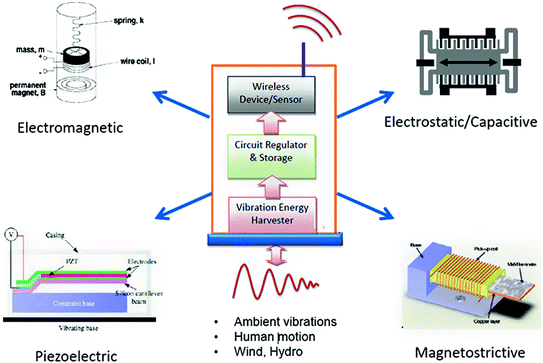
Rising tendencies and developments in nanotechnology are revolutionizing power harvesting strategies. Researchers are consistently exploring new supplies and strategies to enhance the effectivity and scalability of nanomaterial-based power harvesting techniques. One notable development is the event of nanomaterials that may harvest power from a variety of sources, similar to warmth, mild, and vibration. Moreover, developments in nanofabrication strategies are enabling the manufacturing of extremely environment friendly and cost-effective nanodevices for power conversion. These developments maintain promise for the way forward for sustainable power era in buildings and past.
Potential functions and future developments within the discipline
Nanotechnology in engineering has opened up a world of potential functions and thrilling future developments. Along with power harvesting in buildings, nanomaterials have the potential to revolutionize industries similar to electronics, healthcare, and environmental sustainability. Researchers are exploring the usage of nanomaterials in growing extra environment friendly batteries, light-weight and versatile electronics, focused drug supply techniques, and superior water purification strategies. With ongoing developments in nanotechnology, the probabilities for bettering varied sectors of society are boundless.
Environmental Influence and Sustainability
The usage of nanotechnology in power harvesting for buildings has the potential to considerably cut back the environmental influence of conventional power sources. By using nanomaterials in photovoltaic coatings, buildings can generate their very own clear power, lowering reliance on fossil fuels and minimizing carbon dioxide emissions. Furthermore, these nanomaterials could be designed to be eco-friendly and recyclable, additional contributing to sustainability efforts. The event and implementation of accountable and sustainable nanotechnology functions will play a vital function in addressing environmental challenges and dealing in the direction of a greener future.
Evaluation of the environmental influence and sustainability of nanomaterials in power harvesting
The evaluation of the environmental influence and sustainability of nanomaterials in power harvesting is a vital facet in evaluating the general viability of this expertise. Research have proven that nanomaterials utilized in photovoltaic coatings can considerably cut back carbon dioxide emissions in comparison with conventional power sources. Moreover, the usage of nanomaterials promotes the event of inexperienced buildings, that are designed to be extra energy-efficient and environmentally pleasant. Nevertheless, you will need to fastidiously assess the potential dangers related to nanomaterials and guarantee accountable manufacturing and disposal processes are in place to reduce any adversarial results on the surroundings.
Issues for accountable and eco-friendly nanotechnology functions
Relating to harnessing the potential of nanotechnology in power harvesting, accountable and eco-friendly functions are essential. As nanomaterials turn into extra prevalent in constructing applied sciences, it’s important to deal with their environmental influence. Issues such because the life cycle of nanomaterials, their toxicity ranges, and potential waste administration points should be taken under consideration. Moreover, efforts must be made to develop sustainable synthesis strategies and promote recycling or reuse of nanomaterials. By incorporating accountable practices into nanotechnology functions, we will guarantee a extra sustainable future for power harvesting in buildings.
Conclusion
In conclusion, nanotechnology in engineering has revolutionized power harvesting in buildings by the usage of nanomaterials. The event of photovoltaic coatings has allowed buildings to actively generate electrical energy from daylight, offering the potential for power independence and sustainable practices. Nanomaterials have confirmed to be essential in enhancing effectivity and overcoming limitations related to conventional photo voltaic panels. Whereas there are challenges and ongoing analysis, the long run prospects of nanotechnology in power harvesting are promising, paving the best way for a greener and extra sustainable future.
Abstract of the importance of nanotechnology in engineering for power harvesting in buildings
Nanotechnology has emerged as a game-changer within the discipline of power harvesting in buildings. The usage of nanomaterials in photovoltaic coatings has revolutionized the best way we generate electrical energy from daylight. These coatings, made with tiny particles, have enhanced power conversion effectivity and opened up new prospects for sustainable constructing design. Nanotechnology in Engineering permits buildings to turn into self-sufficient power turbines, lowering reliance on exterior grids and contributing to a greener future. Ongoing analysis and developments in nanomaterials promise additional enhancements and potential functions within the coming years.
Implications and potential for a sustainable future utilizing nanomaterials.
Nanotechnology in Engineering: Nanotechnology is proving to be the important thing to a sustainable future in power harvesting. The usage of nanomaterials in buildings, particularly in photovoltaic coatings, has vital implications for lowering carbon emissions and attaining power independence. These supplies provide higher effectivity, flexibility, and transparency in comparison with conventional photo voltaic panels. By harnessing the ability of daylight, nanomaterials allow buildings to generate their very own electrical energy, lowering reliance on exterior energy grids. With ongoing analysis and developments in nanotechnology, the potential for a sustainable future powered by nanomaterials is promising.