Buttresses, whether or not structural components of a constructing or massive tree roots, current distinctive challenges and alternatives in backyard design. The secret’s to combine them seamlessly, turning what would possibly look like an obstruction right into a function.

This is how you can design a backyard round buttresses, incorporating design, patio, and gardening concerns:
I. Design Rules for Buttressed Areas
The overarching objective is to create visible concord and movement, somewhat than making the buttresses really feel like remoted obstacles.
Embrace Them as Architectural Options:
- Spotlight, Do not Disguise: As an alternative of making an attempt to hide buttresses, deal with them as sculptural components. Their robust strains and supplies could be a basis on your design.
- Complementary Supplies: Select paving, walling, or ornamental components that complement the fabric of the buttresses (e.g., stone, brick, concrete).
- Lighting: Strategically positioned uplighting can dramatically spotlight the buttresses at evening, casting attention-grabbing shadows and emphasizing their architectural type.
Create Stream and Connection:
- Curved Pathways: Straight paths can really feel inflexible and spotlight the abruptness of buttresses. Introduce light curves in pathways and planting beds to melt the strains and information the attention round them.
- Various Heights: Use crops of various heights to create visible curiosity and lead the attention up and across the buttresses. Taller crops close to the buttresses may help them really feel extra built-in.
- Repetition: Repeat sure plant sorts, colours, or supplies round and between the buttresses to create a way of unity and rhythm.
Contemplate Scale and Proportion:
- Steadiness: If the buttresses are huge, keep away from tiny, delicate crops that might be overwhelmed. Go for crops with a robust presence however that will not fully obscure the buttress.
- Verticality: Buttresses are inherently vertical. Mirror this with vertical components in your planting, reminiscent of tall, slender timber, columnar shrubs, or climbing crops on trellises.
Handle Microclimates:
- Buttresses can create shaded areas, wind tunnels, or areas that retain warmth. Observe how mild and wind work together with them all through the day and yr.
- Shade-loving crops: For perpetually shaded areas, select crops that thrive in low mild (e.g., hostas, ferns, impatiens).
- Drought-tolerant crops: Areas shielded from rain may be drier, requiring crops that may deal with much less water.
II. Patio Design Round Buttresses
Integrating buttresses into your patio design requires cautious planning to maximise usable area and preserve aesthetics.
Work with the Indentations:
- Constructed-in Seating: The recesses created by buttresses are excellent for built-in benches or banquette seating. This maximizes area and creates cozy “nooks.”
- Planter Bins: Design customized planter bins or raised beds that match snugly into the areas between buttresses, making a seamless transition from hardscape to softscape.
- Water Options/Sculpture: A small, self-contained water function or a putting sculpture may be positioned throughout the indentation, turning it into a focus.
Paving Patterns:
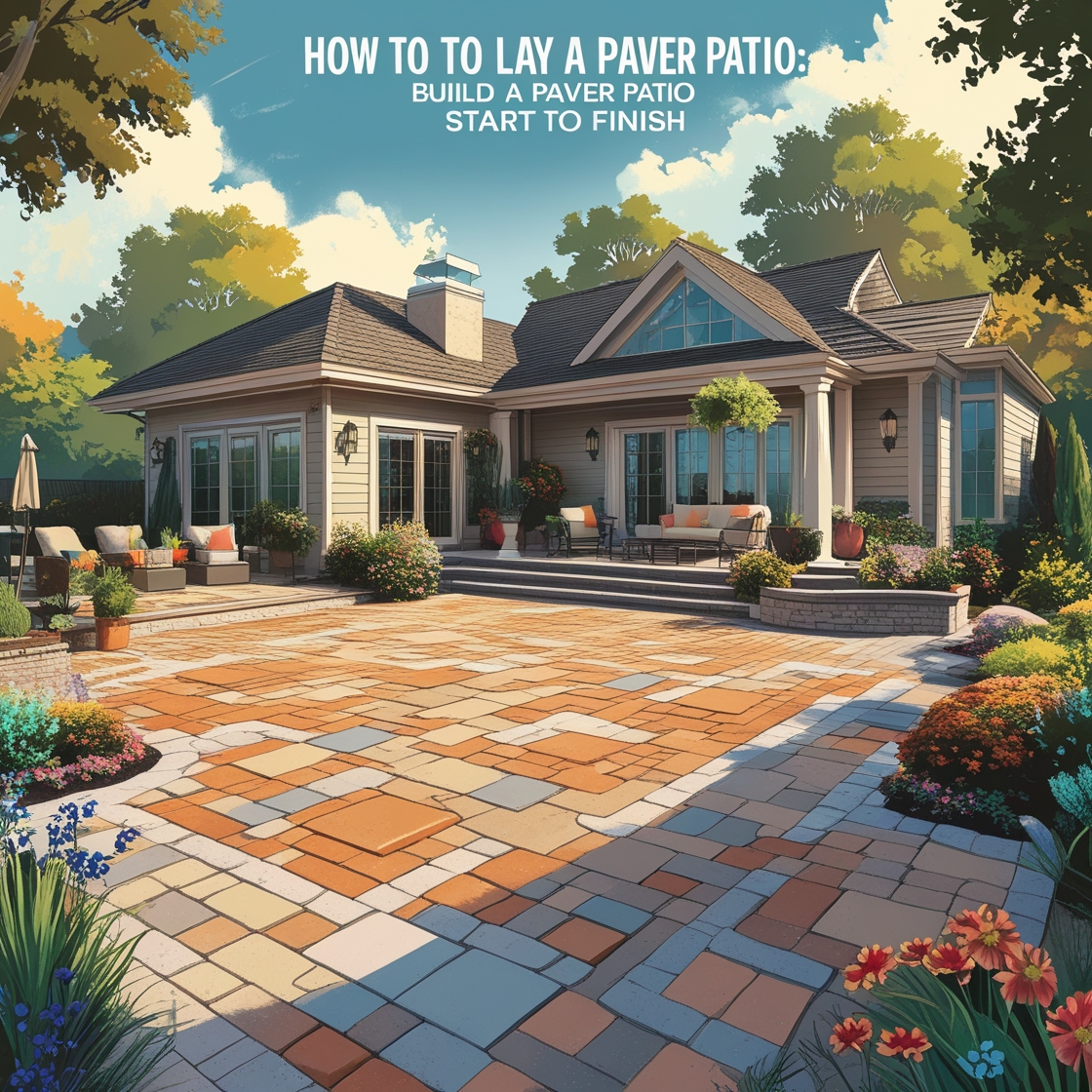
- Curved or Irregular Edges: As an alternative of strictly straight patio edges, think about curving the paving to movement across the buttresses, making a softer, extra natural really feel.
- Contrasting Supplies: Use a unique paving materials or a contrasting colour of pavers immediately across the buttresses to outline them as a function.
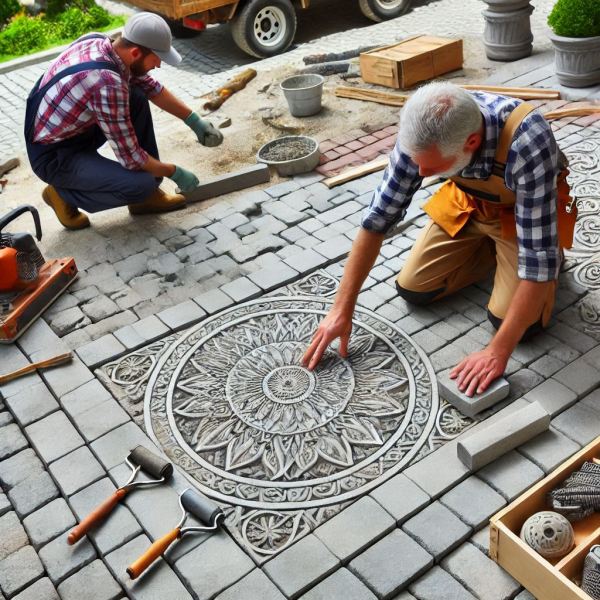
- Joints: Take note of how paving joints meet the buttresses. Precision cuts will make the set up look skilled and intentional.
Furnishings Placement:
- Prepare furnishings to outline totally different zones on the patio whereas acknowledging the buttresses. For instance, a eating space may be located in a single open part, whereas lounge chairs tuck right into a extra secluded spot.
- Contemplate movable furnishings that may be simply rearranged to adapt to totally different makes use of or to accommodate the architectural components.
III. Gardening Round Buttresses
That is the place the buttresses really grow to be a part of the dwelling panorama.
Plant Choice (Key Issues):
- Root Techniques: For tree buttresses, be extraordinarily cautious about disturbing massive roots. Select crops with shallow, non-aggressive root methods. Floor covers, ferns, and smaller perennials are sometimes good selections.
- Gentle Necessities: As talked about, assess solar publicity within the buttress shadows.
- Soil Drainage: Areas round buildings can have compacted or poorly draining soil. Amend the soil as wanted or think about raised beds or containers if drainage is a matter.
- Dimension at Maturity: Choose crops that will not overcrowd or fully disguise the buttress once they attain their full dimension.
Particular Planting Concepts:
- Vertical Greenery:
- Vines: Practice climbing vines (e.g., clematis, climbing roses, ivy the place non-invasive) immediately on the buttress itself (if the fabric is appropriate and will not be broken by rootlets) or on a trellis put in barely in entrance of it.
- Espaliered Fruit Timber/Shrubs: For a proper look, espalier fruit timber or decorative shrubs towards the buttress face.
- Floor Covers: Plant low-growing floor covers (e.g., creeping thyme, sedum, mondo grass, ajuga) immediately on the base of the buttress to melt the transition to the bottom.
- Container Gardening: If floor planting is troublesome because of roots or hardscape, place engaging pots and planters round and within the recesses of the buttresses. This permits for flexibility and straightforward plant rotation.
- Layered Planting: Create layers of crops, with shorter crops within the foreground, medium-sized shrubs within the center, and taller, extra architectural crops close to or behind the buttresses.
- Textural Distinction: Play with foliage textures. The graceful, arduous floor of a buttress may be fantastically contrasted with tender, feathery grasses or broad-leaved hostas.
- Shade Accents: Use vibrant flowers or colourful foliage to attract consideration to the planted areas across the buttresses, making them pop.
- Vertical Greenery:
Upkeep:
- Guarantee quick access for watering, pruning, and common upkeep across the buttresses, particularly if crops are tightly tucked in.
- Contemplate irrigation methods for constant watering, particularly in areas that may be dry.
By thoughtfully integrating buttresses into your backyard design, you’ll be able to create a novel, practical, and aesthetically pleasing out of doors area that celebrates these distinctive options.