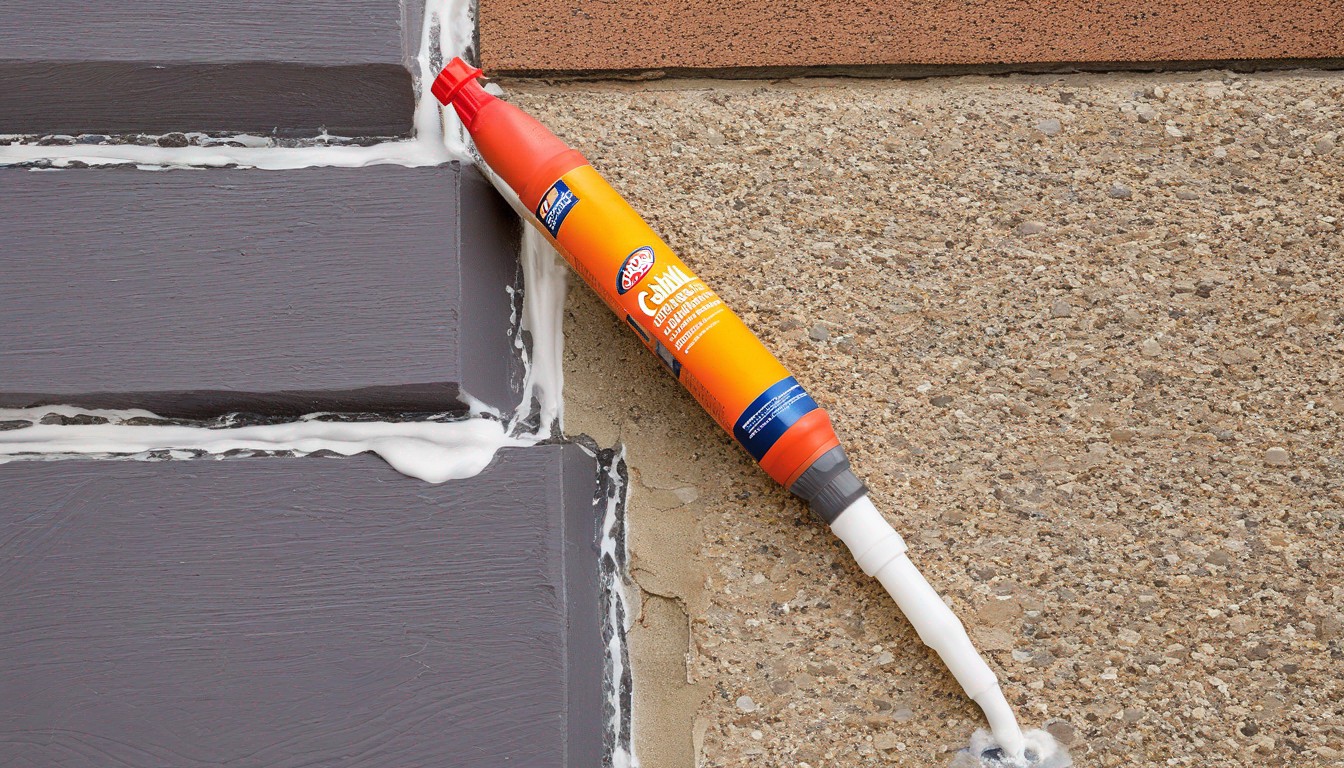
Determining if caulk is cured involves checking its physical properties and ensuring that it has undergone the curing process.

Here’s how you can tell if caulk is cured:
Check the Color:
- Freshly applied caulk is usually a different color than when it’s cured. For example, silicone caulk may change from a milky white to clear or colored. Read the product instructions to understand the expected color change.
Touch Test:
- Lightly touch the caulk with a gloved hand or a disposable tool. Cured caulk should feel dry and firm to the touch. If it feels sticky or soft, it may not be fully cured.
Smell Test:
- Fresh caulk often has a distinct odor, which can be strong. Cured caulk generally has a much milder or no smell at all. If the strong odor persists, the caulk may still be in the curing process.
Time Elapsed:
- Check the curing time specified on the caulk product’s packaging. Most caulks will have a recommended curing time, and it’s crucial to allow the caulk to cure for the full duration mentioned. Keep in mind that curing time can be influenced by factors such as temperature and humidity.
Press Test:
- Gently press your fingernail into a small, inconspicuous section of the caulk. If it leaves an indentation or feels soft, the caulk may not be fully cured. Cured caulk should be resistant to indentations.
Flexibility Test:
- Cured caulk should be flexible but not excessively so. Try gently bending or flexing a small section of the caulk. If it remains intact without cracking or splitting, it’s likely cured.

Remember that different types of caulk (silicone, latex, acrylic, etc.) may have slightly different curing characteristics. Always refer to the specific product’s instructions for the most accurate information regarding curing times and appearance changes.
If you have any doubts about the curing status of the caulk, it’s advisable to wait a bit longer before exposing it to stress or moisture to ensure it has fully cured and will provide the expected performance.